Prescription
Lens guide
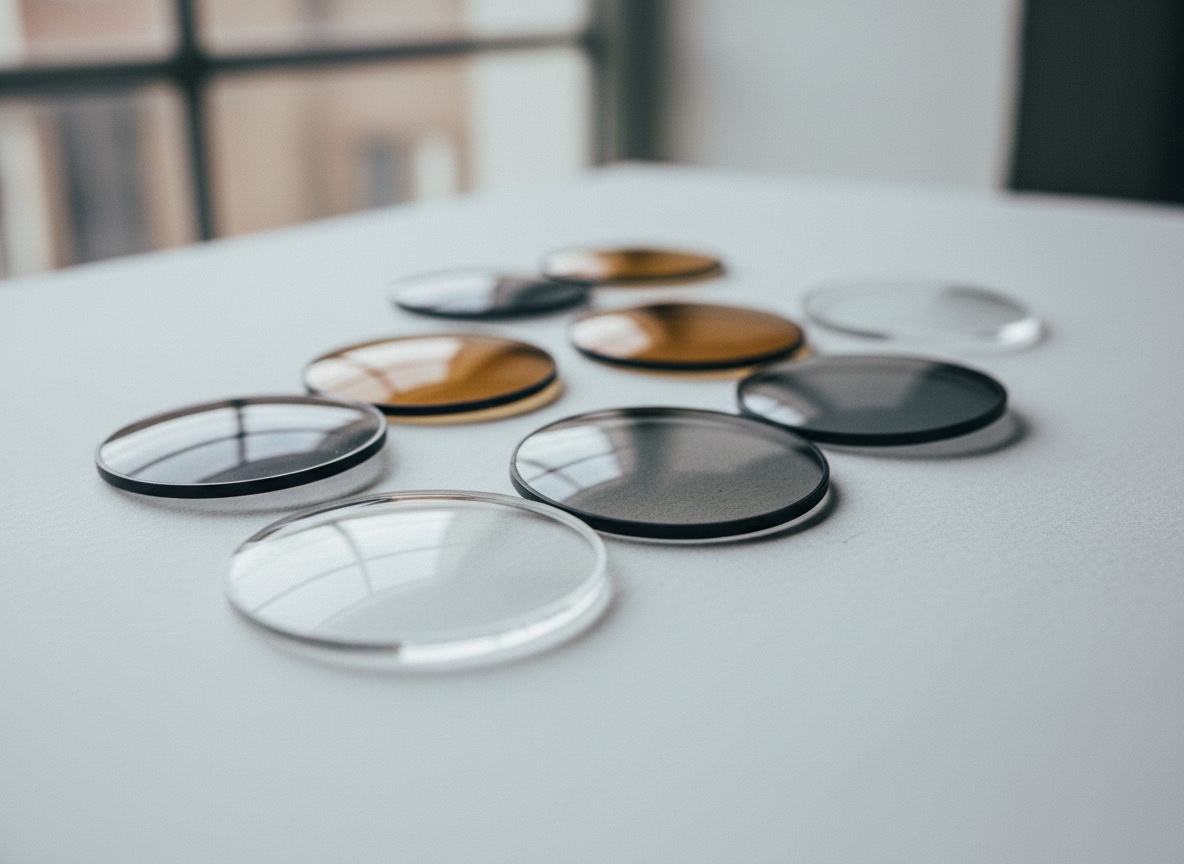
Lens types, coatings and tints explained, so you can match your lenses to the way you work.
Lens types
| Lens | Best for | Keep in mind |
|---|---|---|
| Single vision | Seeing clearly at one distance, either far or near | The simplest and most popular option |
| Bifocal | Switching between distance and close work, like reading gauges | Visible line between the two zones |
| Multifocal | Clear vision at every distance, with no line | Takes a few days to get used to |
Lens material
Our safety lenses are made from polycarbonate. It's tough, lightweight and naturally blocks UV, which is why it's the standard material for impact-rated eye protection.
Coatings
| Coating | What it does | Good for |
|---|---|---|
| Anti-scratch | A hard coat that helps lenses resist scratching | Dusty, gritty and abrasive environments |
| Anti-fog | Reduces fogging from heat, humidity and masks | Hot sites, cold rooms and anyone wearing a mask |
| Anti-reflection | Cuts reflections from lights and screens | Indoor work, screens and night driving |
Tints
| Tint | Best for | Keep in mind |
|---|---|---|
| Clear | Indoors, low light and night shifts | The all-round choice |
| Smoke | Bright outdoor work | Not suitable for night or low-light conditions |
| Polarised smoke | Glare off water, wet roads and bright surfaces | Can make some digital displays harder to read |
| Light-reactive | Moving between indoors and outdoors | May not darken fully behind a vehicle windscreen |
Need a hand?
Tell us about your job and your site and we'll recommend a lens, coating and tint combination. Get in touch or talk to your optometrist at your fitting.